About
We built Assaygrove because bench time is irreplaceable
A Boston team that has spent years inside computational target ID workflows, and got tired of watching the wrong targets get prioritized.
Our Story
Why we started building
Julian Mercier and Priya Nair founded Assaygrove in Boston in 2024, after years running multi-omics target identification workflows for drug discovery programs. Both had spent significant time building computational analysis pipelines that were, in practice, too slow, too manual, and too siloed to influence target decisions before bench commitments were already made. The tools existed. The integration did not.
The specific frustration that started the project: watching a research team commit six months of wet-lab time to a target that would have looked different if the team had integrated their RNA-seq data with the GWAS signal from a recent published study in the same indication. The literature had the answer. Nobody had the bandwidth to connect it to the omics. The program failed.
Assaygrove is independently funded, built on the premise that rigorous target evidence synthesis does not require a six-person computational biology team and three months of bespoke pipeline work. It requires the right architecture, built once, applied systematically.
The Team
Three people building the system
 JM
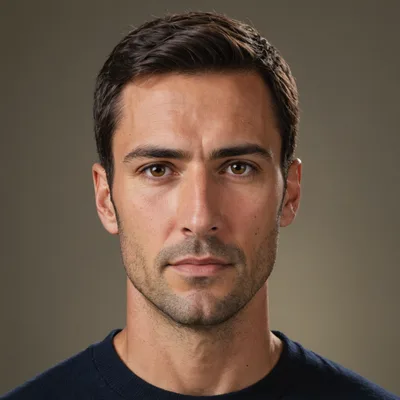
JMJulian Mercier
CEO and Co-Founder
Brings years of experience building computational target prioritization pipelines for drug discovery programs. Focused on bridging the gap between omics data and wet-lab decision-making. Leads product and science strategy at Assaygrove.
 PN
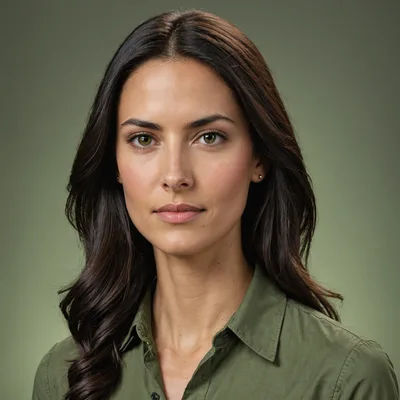
PNPriya Nair
Co-Founder and Chief Science Officer
A computational biologist who spent years developing multi-omics integration workflows and target validation approaches for early-stage programs. Leads the evidence architecture and scoring methodology at Assaygrove. Passionate about making target evidence actionable for bench scientists.
 SO
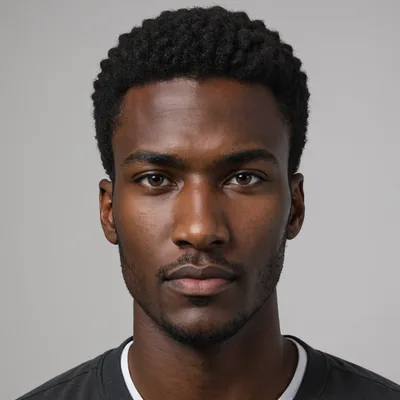
SOSam Okoye
Head of Engineering
Builds scalable data pipelines and ML infrastructure. Background in large-scale biological data processing and API design. Keeps Assaygrove fast and reliable under real research workloads.
Location
Boston Seaport District
27 Drydock Avenue, 6th Floor
Boston, MA 02210
United States
Boston is one of the most concentrated biotech research ecosystems in the world. The Seaport District sits adjacent to the Longwood Medical Area and near the major academic and pharma research institutions of the Boston-Cambridge corridor. Being here matters for the type of early-stage research teams we work with.
We are building Assaygrove in the same city where many of the early-stage programs that need it are running. That proximity means direct access to the researchers, the use cases, and the feedback loops that make a tool like this worth using.
Working on a target ID problem?
We would like to hear about it. Whether you are deep in a program or just beginning to build a candidate list.